Reflections by Miriam Brittenden and Simon Woodman
Over two years Bloomsbury Central Baptist Church undertook a journey of congregational development in partnership with the Centre for Theology and Community (CTC). This post reflects on what we have learned from this process, how it has reshaped our congregation, and what other churches might take from our experience.
When this journey began in autumn 2023, Bloomsbury was emerging from the challenges of a post-pandemic world. Like many congregations, the church faced disrupted routines, shifting demographics, and a natural hesitancy towards change. Some activities had stalled, and capacity for innovation was uneven across the membership. Although the church has been in membership of West London Citizens for 10 years, and participated in several campaigns across the city, we were excited by the possibility of embedding the practices of organising within our congregational context.
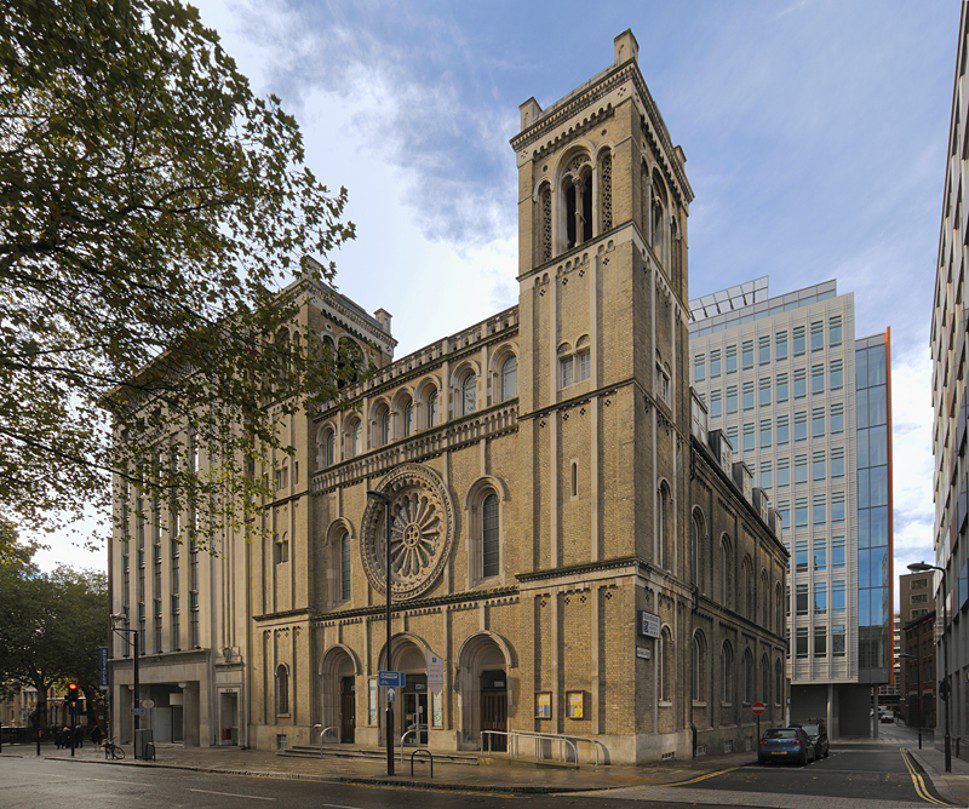
Our objectives were clear: rebuild relational trust, develop new leadership, and create sustainable structures for action. These objectives were grounded in a belief that a healthy church is not only internally coherent but also outward-facing, connecting its members with the needs and aspirations of the wider community.
Through a listening and discernment process with congregational leaders, we identified two key strands for our work:
- Relational Growth – “Love God”: fostering spiritual depth, reflection, and connection across the congregation.
- Justice and Community Engagement – “Love Neighbour”: strengthening relationships with building users and local partners, and embedding justice-focused action into our core church identity.
The past two years have seen a range of initiatives designed to put these strands into practice. Breathing Space, launched in September 2024, became a monthly gathering for creative prayer, reflection, and discussion. It has offered a space in which members could explore spirituality, practise relational openness, and grow in confidence. Neighbours for Justice events, held in November 2024 and June 2025, brought together organisations using our building to explore collaboration for justice, deepening relationships and planting seeds for shared action.
One of the most striking outcomes of these two years has been the transformation of the congregation’s relational culture. Members, including newer members, have grown more comfortable listening to each other, participating actively, and contributing to church life. Worship and group spaces have become more participatory and less dependent on a small number of voices.

Our understanding of leadership has broadened and become more distributed. Facilitation, storytelling, intercessory prayer, and event coordination as genuine expressions of leadership. Members who were once hesitant to contribute have found confidence through structured opportunities and relational support. As trust has deepened, so has participation.
A slower, more deliberately reflective approach to decision-making has taken root. Members now take time to listen, pray, and discern collectively before taking action, reducing anxiety and fostering greater collective ownership. Spaces like Breathing Space and ‘Neighbours for Justice’ have created an environment where people feel safe to contribute, experiment, and take initiative. Change has come incrementally, not dramatically: a new culture emerges through repeated practices, consistent reflection, and careful attention to relationships.
Worship at Bloomsbury has also evolved, alongside this cultural shift reflecting the integration of relational and spiritual practices. Reflective Practices like Silence, meditation, and creative prayer now sit alongside established patterns of intercessory prayer. Congregation members contribute in diverse ways, from leading prayers to sharing their stories, enhancing collective ownership of worship. Sunday worship and Breathing Space are seen as complementary, one rooted in the gathered congregation and the other enabling an open space for experimentation and depth. The Pentecost 2025 service hosted by ‘Breathing Space’ exemplified this openness, with creative participation, receiving enthusiastic feedback from congregation members.
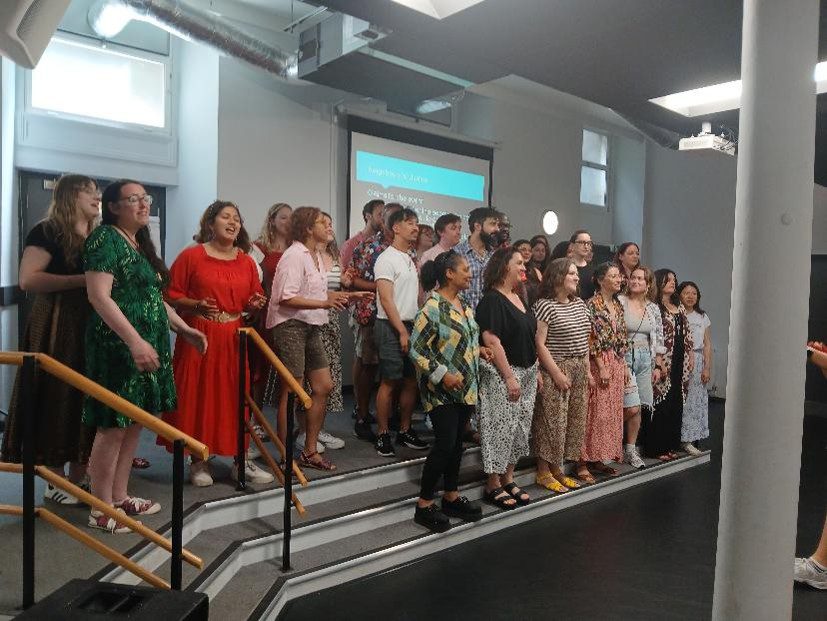
The justice and community strand of our work has been equally important, reinforcing the church’s outward-facing vocation. Events like Meet the Neighbours and Neighbours for Justice have fostered new relationships and strengthened existing ones, leading to tangible practical collaboration including raising £5,000 for the local night shelter. Congregation members increasingly recognise justice-focused work as integral to who we are as a church, not an optional add-on. This has also prompted conversations about inclusion, leadership succession and engaging those on the periphery to ensure sustainable leadership and broader inclusivity.
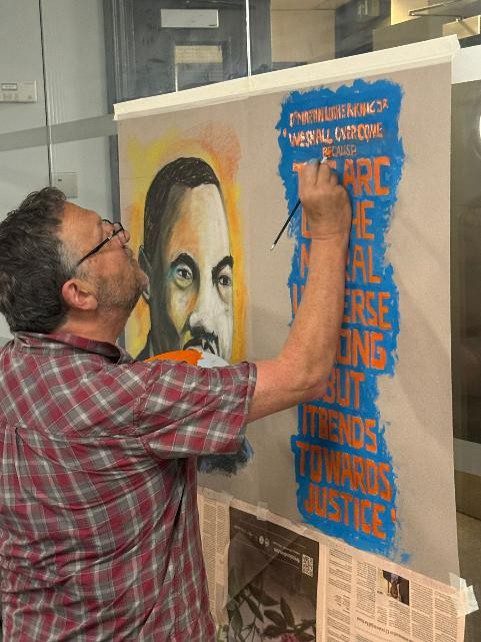
Drawing on the concept of the “angel of the church” (Walter Wink) and the letters to the churches in Revelation, we have come to see congregations as a living communities that embody both hope and struggle. We are called as the church to discern our vocation faithfully, integrating its internal spiritual life with outward action for justice. At Bloomsbury, this has meant recognising that transformation cannot be imposed from outside. It emerges through the Spirit’s work within a community willing to listen and act. Leadership is relational and shared, reflecting diverse gifts. Spirituality and justice belong together, mirroring Christ’s call to love God and neighbour. Congregational development, therefore, is not merely organisational work; it is theological practice — shaping a community attentive to God’s purposes in its particular place in the world.
The last two years at Bloomsbury Central Baptist Church have been both challenging and rewarding. Leadership, relational openness, and community engagement have grown, alongside the emergence of structures to sustain these gains. For churches considering a similar journey, our experience suggests that patience, relational depth, and deliberate integration of spirituality, prayer and action matter more than quick fixes. Congregational development is a long-term, transformative process, one that equips churches to discern, act, and grow faithfully within their unique contexts.
“Transformation is not the work of an individual but of a community, guided by reflection, prayer, and faithful action in the world.”
Miriam, who helps lead CTC’s Congregational Development and Lay Leadership training programmes, accompanied Bloomsbury for two years as an organiser for CTC. Simon is the Senior Pastor of the church.